
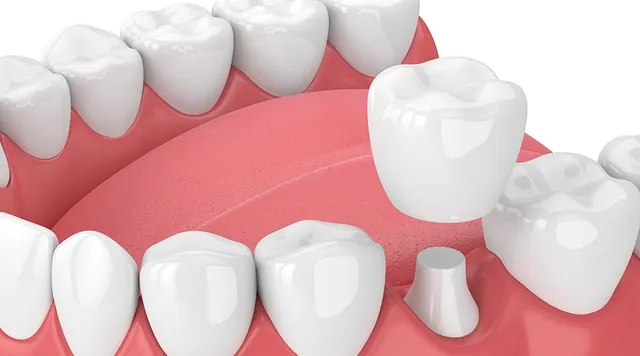
Dental crowns are known as one of the most popular and common dental treatments in the world. This treatment has been done for years to treat damaged teeth’s appearance, function, shape and texture.
Dental crowns are a wide field of dentistry. Especially with the improvements in dentistry in recent years, many new treatments have been developed and started to offer much more durable solutions for the patients.
When are Dental Crowns Needed?
Dental crowns can be used in a variety of situations, including
- Repairing severely damaged teeth: Dental crowns are a perfect solution for repairing severely damaged or decayed teeth. Depending on the severity of the situation, a zirconia or porcelain dental crown can quickly fix the problem.
- Supporting weak or broken teeth: If you have a fractured or weakened tooth, dental crowns are a perfect solution to provide additional support and prevent the tooth from breaking.
- Support root canal treatments: After a root canal treatment, a dental crown can support and protect the tooth from damage.
- Cosmetic procedures: Dental crowns are perfect for customization. If you are looking for ways to improve the appearance of misshapen, discolored or misaligned teeth, your dentist may suggest dental crowns.
What are the Types of Dental Crowns?
There are different types of dental crowns that have different advantages and disadvantages. Here are the most common and preferred types of dental crowns;
- Metal Crowns: Metal crowns have been used in dental procedures for many years. These crowns are made of metal and they have solid, strong structure with almost everlasting results. However, the metallic appearance is not aesthetically pleasing for many patients.
- Porcelain Fused Metal (PFM) crowns: PFM crowns are another popular dental crown known for their strength and improved aesthetics. This crown is simply a metal crown covered with a layer of porcelain. It offers improved aesthetics, however, the metal base is visible at the gum line over time.
- Porcelain Crowns: Porcelain crowns are one of the most preferred types of dental crowns. These procedures allow patients to receive a natural looking restoration with superior aesthetics. However, porcelain crowns are not as strong as zirconia, metal or PFM.
- Zirconia Crowns: Zirconia crowns are one of the newest technologies on the market. This material offers superior aesthetics with added durability. It is nearly as durable as metal crowns, but also provides better aesthetics than porcelain. However, it is slightly more expensive than porcelain crowns.
Choosing the right crown for your needs depends on your individual preferences. You can always discuss the options with your dentist to get the best solution for your needs and preferences.
Dental Crown Procedures: What to Expect?
Dental crown procedures are usually performed in two similar steps.
During your first visit, your dentist will prepare your tooth for the crown by removing any decay or damaged structure. During this step, your dentist will also take an impression of your tooth to create a custom crown.
During your second visit, your dentist will complete the procedure by placing the crown on your tooth.
Aftercare After Getting a Dental Crown: What Should You Know?
Even though most dental crowns are very durable, it is still recommended to follow some tips and tricks to maintain good coral health and hygiene. First of all, you should brush your teeth twice a day, floss daily and use a mouthwash. In addition, regular check-ups with your dentist will help prolong the life of your crown.
Hard objects such as ice can put extra stress on your crowns and cause them to break. It is always recommended to be careful with hard foods. Also, sticky foods can stick to your crown and make it difficult to clean. It is recommended to rinse your mouth after eating sticky foods such as tofu or caramel.
As long as you maintain good oral hygiene, your crowns will last longer without problems.


